


The Long Road: A Novelist's Revision Process
How Piano Zen Transformed Through Deep Revision and Rethinking

Piano Zen didn't begin as a novel. Not the one you're holding now, anyway.
It started as a simple idea for a children's illustrated book. Something small. Something contained within an online teaching program.
But over time, the story kept pushing beyond those boundaries.
I had the character of William Longfellow Emerson in mind early on, but not much else. I didn't know where he lived, who his parents were, or what this mysterious connection to the piano would become. I didn't know who Rosa Carreño was yet.
Those things revealed themselves slowly, almost as if the story was asking its own questions and waiting for me to catch up.
As I followed those threads, the project began to change. It wasn't a children's book anymore. It was becoming something larger, a literary novel for adults.
At the same time, I had been developing the Piano Zen Method to teach beginning piano students for years. That work found its way into the story, but not in the way I expected. The teaching method became part of the novel's world, woven into the atmosphere and arc of the story.
The Pacific Northwest also began to shape the setting: forests with tall trees, waterfalls, and a quiet sense of mystery. That became the foundation for Nightingale and the Whispering Woods.
I published the first edition of Piano Zen in December 2020. At the time, it felt like a major step forward.
But not long after, I realized it wasn't the book it needed to be.
Like many first novels, it carried a lot of early mistakes. Too much explanation. Too many detours. Not enough trust in the story itself. This is where my novel revision process really began — not just fixing sentences, but asking what the story was actually trying to become.
For a while, I let it sit.
Then, in 2024, I decided to return to it and go much deeper. Not just revise it, but rethink what the story was trying to become. This novel revision process required stepping back and honestly assessing what was working and what wasn't.
That process took time. More than I expected.
But slowly, the novel began to take shape in a new way, more focused, more immersive, and more aligned with the world I had originally glimpsed.
In the end, Piano Zen became something very different from what it started as. And looking back, I don't think it could have happened any other way. The story had to take that path to find itself.
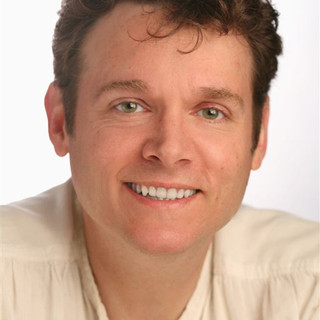
Thomas Rheingans
Novelist & Pianist
Creator of Piano Zen


Reading your breakdown of the revision marathon instantly pulled me back to the summer I spent rewriting my first novella. I’d finished a draft in a feverish two weeks, convinced it was ready, and then a friend suggested I let it sit for a month. When I finally opened the manuscript again, the same scenes that once felt vivid now read like flat placeholders. I spent weeks tearing out paragraphs, reordering chapters, and agonizing over dialogue that didn’t quite land. The sleepless nights, the endless “what if” questions, and the tiny triumphs of finally nailing a character’s voice—those moments are exactly what you describe. It was exhausting, but each revision felt like a small victory, a reminder that the story…